
What To Expect When Getting A Root Canal
If your dentist has told you that you need a root canal, you may feel nervous or unsure about what comes next. The good news is that a root canal is a common treatment that can save a tooth and relieve pain. Knowing what to expect can help you feel more prepared and less worried.
Why A Root Canal Is Needed
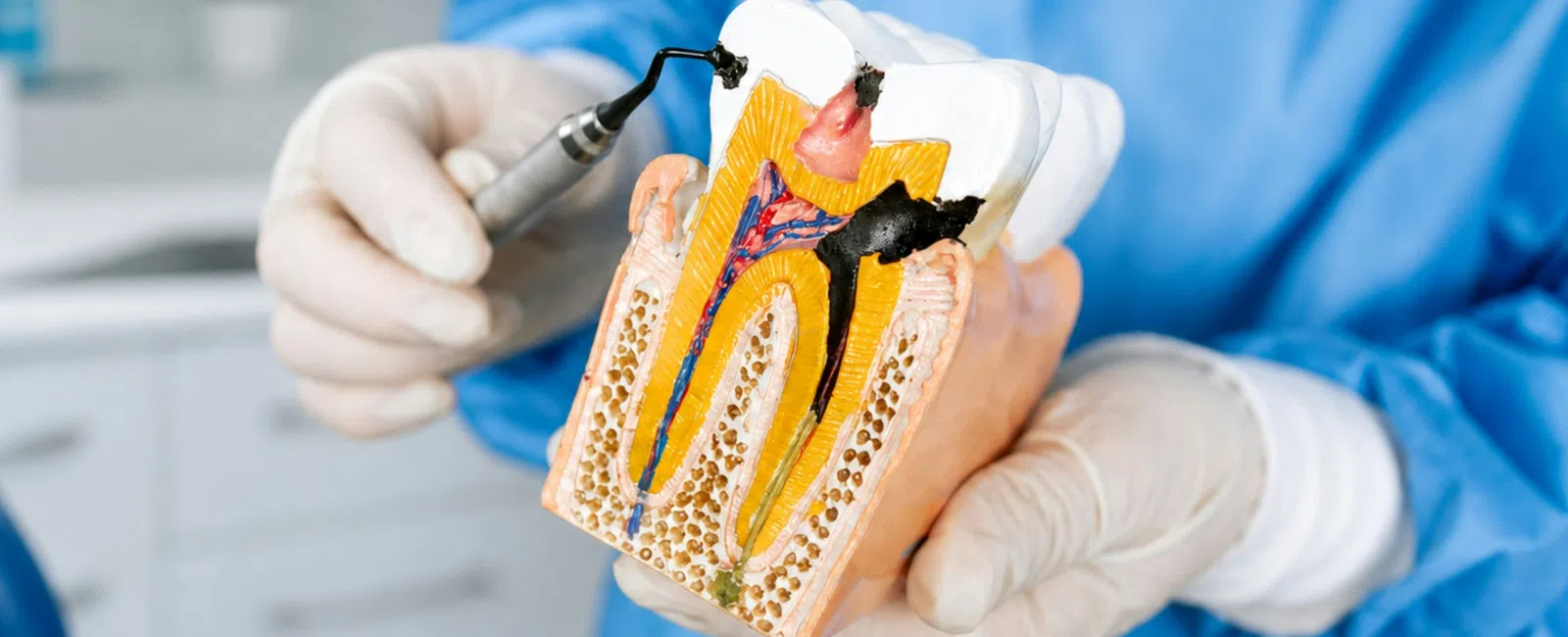
A root canal is usually needed when the inside of a tooth becomes infected or badly damaged. This can happen because of deep decay, a cracked tooth, or an injury. The treatment removes the infected tissue, cleans the tooth, and helps protect it from further damage.
Before The Procedure
Before your root canal, your dentist will examine your tooth and may take X-rays. These images help show the shape of the tooth and the extent of the infection. Your dentist will also explain the procedure and answer any questions you have.
Most root canals are done with local anesthesia, which numbs the area around the tooth. This helps keep you comfortable during treatment. If you feel anxious, let your dentist know. They may be able to offer ways to help you relax.
During The Root Canal
Once the area is numb, your dentist will place a small protective sheet around the tooth to keep it dry and clean. Then they will make a small opening in the tooth to reach the infected pulp inside.
The dentist will remove the damaged tissue, clean the inside of the tooth, and shape the root canals. After that, the space is filled with a special material to help seal it. In many cases, a temporary filling is placed until the tooth is fully restored.
The procedure may take one visit or more, depending on the tooth and how severe the infection is.
What It Feels Like
Most people say a root canal feels similar to getting a regular filling. You should not feel pain during the procedure because of the numbing medicine. You may feel pressure or movement, but it should not be sharp or painful.
After the numbness wears off, it is normal to have some soreness or mild discomfort for a few days. Over-the-counter pain medicine often helps, but your dentist may give you specific instructions based on your needs.
After The Procedure
After a root canal, you will need to avoid chewing on the treated tooth until it is fully restored. Your dentist may place a crown on the tooth to make it stronger and protect it from breaking. This step is important because a tooth that has had a root canal can become more fragile over time.
Good brushing, flossing, and regular dental visits will help keep the tooth healthy after treatment.
When To Call Your Dentist
Contact your dentist if you have severe pain, swelling, or signs of infection after the procedure. It is also important to call if your temporary filling comes out or if the tooth feels different when you bite down.
Feeling More Comfortable About The Process
Many people worry about root canals because of things they have heard from others. In reality, the treatment is designed to stop pain, not cause it. With modern dental care, root canals are often straightforward and effective.
If you have questions, talk with your dentist before the procedure. Understanding each step can help you feel calmer and more confident about your treatment.
