
Healthy Dental Habits To Teach Your Kids
Good dental habits start early. When kids learn how to care for their teeth at a young age, they are more likely to keep those habits for life. Healthy teeth and gums do more than create a nice smile. They help kids eat, speak, and feel confident.
Start Brushing Early
Begin cleaning your child's mouth even before the first tooth appears. You can wipe their gums with a soft, clean cloth after feedings. Once teeth come in, brush them twice a day with a small, soft-bristled toothbrush. Use a tiny amount of fluoride toothpaste for young children, and help them brush until they can do it well on their own.
Make Brushing Fun
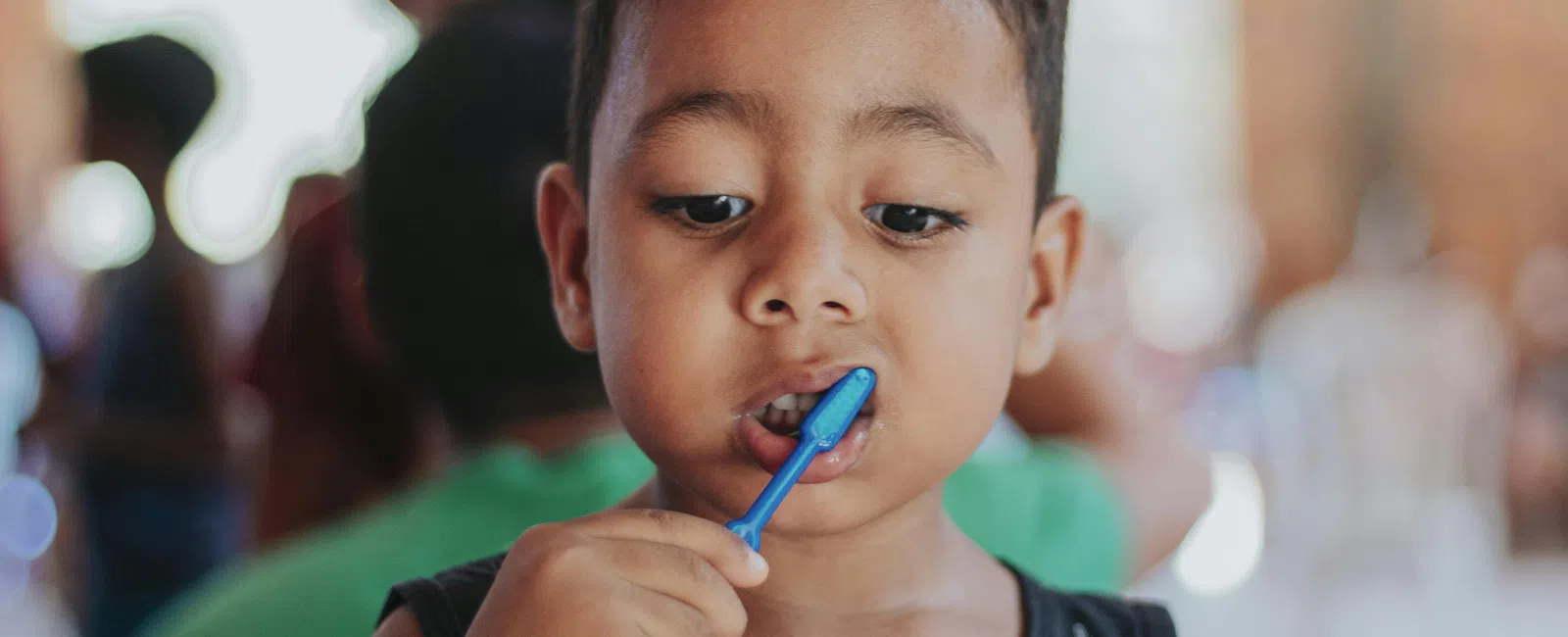
Kids are more likely to brush when it feels fun instead of like a chore. Let them pick a toothbrush with their favorite color or character. Play a two-minute song while they brush. You can also brush together so they can copy your example. When children see brushing as part of the daily routine, they are more likely to stick with it.
Teach The Right Way To Brush
Show your child how to brush gently in small circles. Make sure they clean the front, back, and chewing surfaces of each tooth. They should also brush their tongue to help keep their mouth fresh. For best results, brushing should last about two minutes each time.
Don't Forget Flossing
Flossing helps remove food and plaque between teeth where a toothbrush cannot reach. Once two teeth touch, it is time to start flossing. Young children will need help with this at first. As they get older, teach them how to floss on their own.
Limit Sugary Snacks And Drinks
Sugar can lead to cavities, especially when kids snack on sweet foods often. Try to offer healthy snacks like fruit, cheese, yogurt, or vegetables. Water is the best drink between meals. If your child drinks juice or soda, keep it occasional and not part of the daily routine.
Visit The Dentist Regularly
Regular dental checkups are important for keeping teeth healthy. The dentist can spot small problems before they become bigger ones. Most children should see a dentist by their first birthday or within six months after their first tooth appears. After that, regular visits help keep their smile strong.
Be A Good Example
Children learn by watching the adults around them. If they see you brushing, flossing, and making healthy food choices, they are more likely to do the same. Your example can be one of the most powerful tools in building good dental habits.
Keep It Positive
Praise your child when they do a good job caring for their teeth. A simple "Great brushing!" can go a long way. Try to avoid making dental care feel scary or stressful. When kids feel encouraged, they are more likely to take pride in their oral health.
Teaching kids healthy dental habits does not have to be hard. With simple routines, good examples, and a little patience, you can help your child build a strong foundation for a healthy smile that lasts for years.
