
What Does An Endodontist Do?
If your dentist has ever mentioned sending you to an endodontist, you might have wondered what that word even means. It sounds complicated, but the job itself is easier to understand than the name suggests. Endodontists are dental specialists who focus on one main thing: saving teeth that are injured, infected, or in pain.
The Basics Of Endodontics
The word endodontist comes from two Greek words. Endo means inside, and odont means tooth. So an endodontist is basically a doctor who treats the inside of your tooth. This includes the soft tissue inside called the pulp, which contains nerves, blood vessels, and connective tissue.
When this inner part of the tooth becomes infected or damaged, it can cause serious pain. Endodontists are trained to diagnose the problem and fix it so you can keep your natural tooth instead of losing it.
Root Canals Are Their Specialty
Most people know endodontists because of root canals. This is the most common procedure they perform. During a root canal, the endodontist removes the infected or damaged pulp from inside the tooth. They clean out the space, disinfect it, and then fill it with a special material. The tooth is then sealed to protect it from future infection.
Root canals have a reputation for being scary, but they are usually no more uncomfortable than getting a filling. In fact, the procedure relieves pain caused by the infection rather than creating it.
More Than Just Root Canals
While root canals are their main focus, endodontists do more than that. They also treat dental injuries, such as a cracked tooth or a tooth that has been knocked loose. They perform procedures like apicoectomies, which involve removing the tip of a tooth root when infection continues after a root canal.
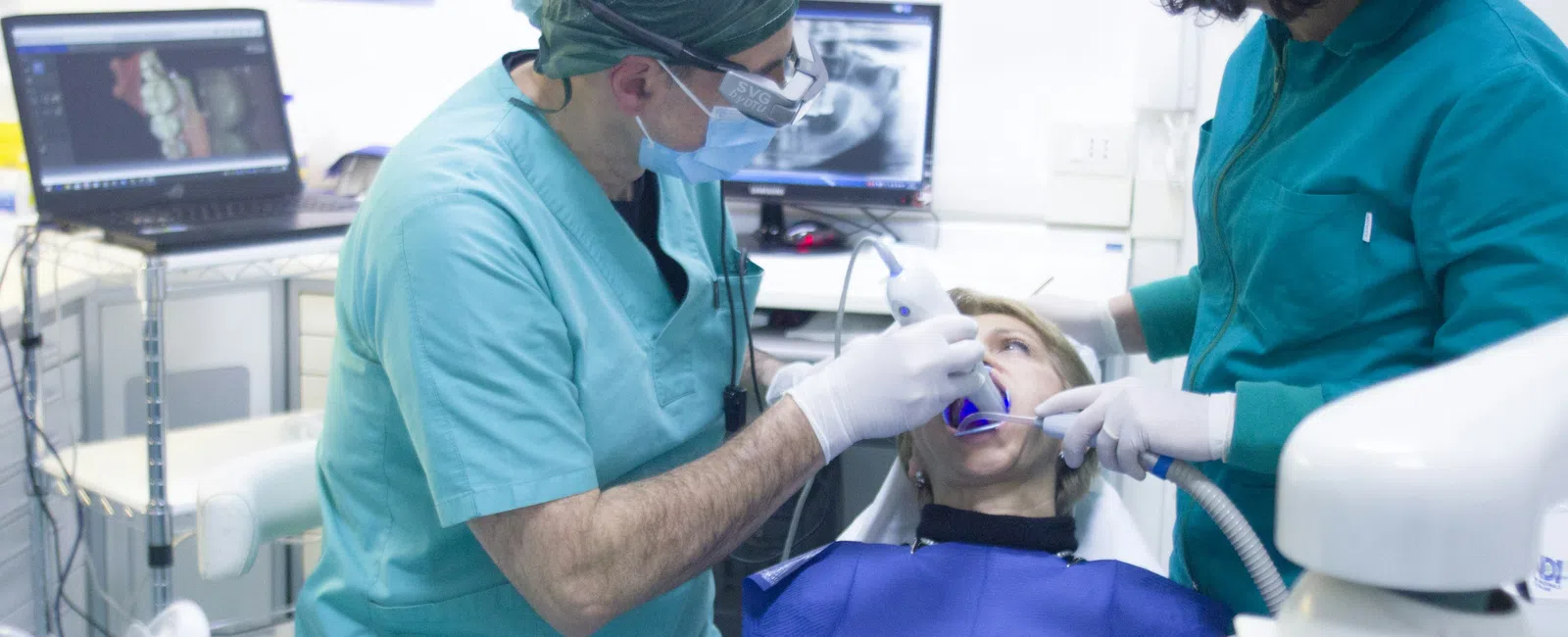
Endodontists also use advanced technology, like digital imaging and microscopes, to look closely at the inside of a tooth. This helps them find problems that might be missed with a regular dental exam.
How They Are Different From Regular Dentists
All endodontists are dentists, but not all dentists are endodontists. After dental school, endodontists complete two or more years of additional training. This focuses specifically on root canal treatments and other procedures involving the inside of the tooth.
Because of this extra training, endodontists often handle more complicated or painful cases that a general dentist may refer out. They see these kinds of cases every day, so they have a lot of experience in treating tricky situations.
Why You Might Need To See One
Your regular dentist might refer you to an endodontist if you have severe tooth pain, a tooth that is sensitive to hot or cold for a long time, swelling near a tooth, or an injury that affects the inside of the tooth. These symptoms often mean the pulp inside the tooth is inflamed or infected.
Seeing an endodontist in these cases can help save the tooth and prevent the need for an extraction. Keeping your natural teeth is usually better for your long-term oral health, so this kind of specialized care can make a big difference.
What To Expect At An Appointment
If you are referred to an endodontist, the visit is similar to a regular dental appointment. They will examine the tooth, may take X-rays, and will explain what is going on inside the tooth. If a root canal or other treatment is needed, they will walk you through the process and answer any questions you have.
Most patients are surprised at how smooth the appointment goes. Modern tools and numbing techniques make the procedure much more comfortable than people expect.
Protecting Your Smile For The Long Run
Endodontists play an important role in keeping your natural teeth healthy and pain-free. Instead of pulling a damaged tooth, they work to repair it so you can keep using it like normal. Their specialized training allows them to handle tricky dental problems with precision and care.
The next time your dentist suggests seeing an endodontist, you can feel confident knowing you are being sent to someone who specializes in exactly the kind of problem you are dealing with. Their goal is simple: relieve your pain and save your tooth.
