
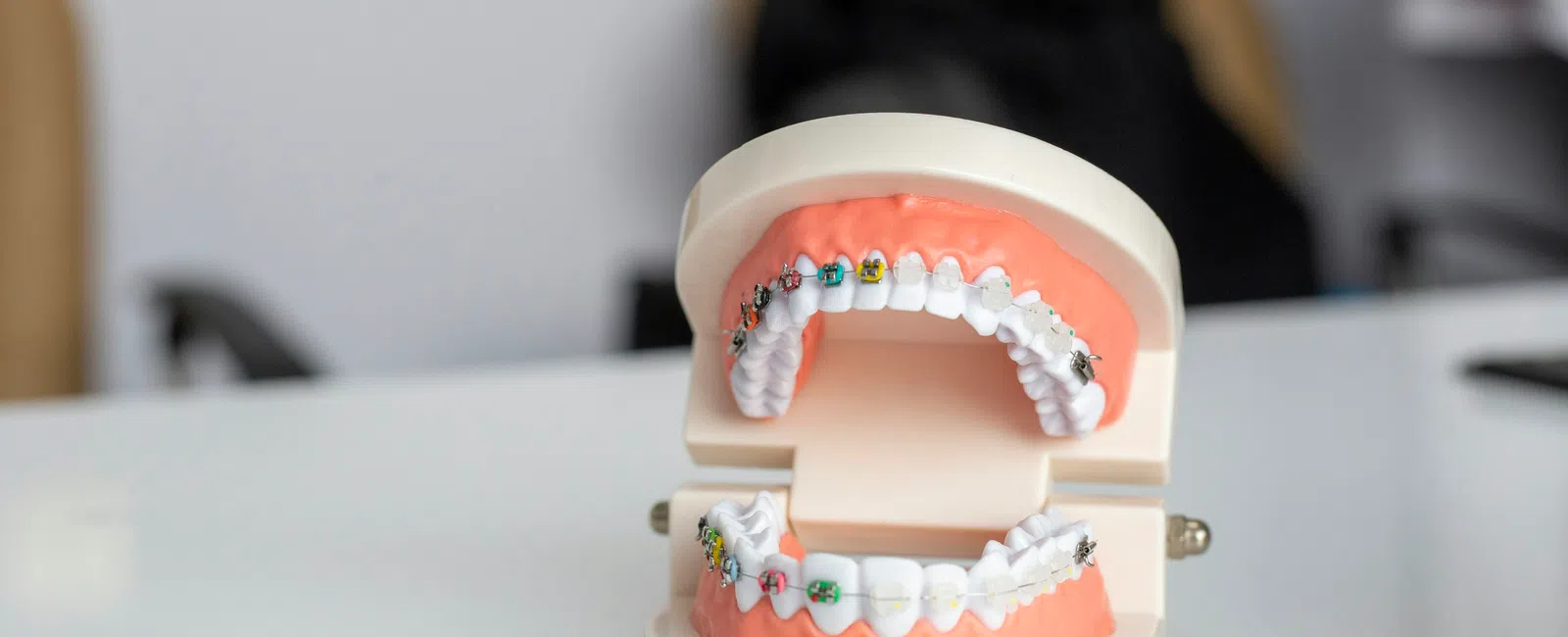
3 Things to Know Before Your Child Gets Braces
Finding out your child may need braces can bring up a lot of questions. You might be wondering how long treatment will take, what it will cost, or how your child will handle the adjustment.
While every orthodontic journey is different, understanding what to expect can help you feel more prepared before treatment begins.
Here are three important things every parent should know before their child gets braces.
1. The Right Age for Braces May Be Earlier Than You Think
Many parents assume braces are only for teenagers, but orthodontic evaluations can begin much earlier.
The American Association of Orthodontists recommends that children have their first orthodontic checkup by age 7. At this age, an orthodontist can evaluate your child's developing teeth and jaw and identify potential concerns, such as crowding, crossbites, and certain bite alignment problems.
An early evaluation doesn't necessarily mean your child will need braces right away. In many cases, the orthodontist will simply monitor your child's growth and development before recommending treatment.
Depending on your child's needs, treatment may begin while some baby teeth are still present or wait until more permanent teeth have erupted.
Scheduling an early evaluation gives you a better understanding of your child's orthodontic needs and helps you plan for any treatment that may be recommended in the future.
2. Braces Are About More Than Straight Teeth
A straighter smile is one of the most noticeable benefits of braces, but orthodontic treatment can also improve how your child's teeth fit together.
Misaligned teeth and bite problems may contribute to difficulties with chewing, uneven tooth wear, and challenges cleaning certain areas of the mouth. Crowded teeth, for example, can make brushing and flossing more difficult, potentially increasing the risk of cavities and gum problems.
Depending on the specific issue, orthodontic treatment may help:
- Improve bite alignment: Help the upper and lower teeth fit together more comfortably.
- Make teeth easier to clean: Reduce crowding and improve access to tooth surfaces.
- Support healthy tooth function: Address certain problems that affect chewing and tooth wear.
- Build confidence: Help your child feel more comfortable with their smile.
Not every orthodontic problem causes symptoms, and braces do not automatically resolve every concern involving jaw discomfort or breathing. Your orthodontist can explain which benefits are relevant to your child's individual situation.
Understanding the functional benefits of braces can help both you and your child stay motivated throughout treatment, especially when adjustments become uncomfortable or progress feels slow.
3. The Adjustment Period Takes Patience
Getting braces is a significant change for a child. It is normal to experience some soreness, especially during the first few days after braces are placed or adjusted.
Fortunately, most children gradually become more comfortable as they get used to their new appliances.
Eating With Braces
Certain foods can damage brackets and wires, so your child may need to make some dietary adjustments during treatment.
Foods to avoid or limit include:
- Hard candies and ice
- Sticky caramels and chewy candies
- Popcorn, particularly unpopped kernels
- Hard pretzels and other very crunchy snacks
- Foods that require biting into hard surfaces, such as whole apples or raw carrots
Cutting foods into smaller pieces and choosing softer options can make mealtimes easier. Your orthodontist will provide specific instructions based on the type of braces your child has.
Keeping Teeth Clean
Brushing and flossing require extra attention when your child has braces. Food particles and plaque can collect around brackets and wires, making a thorough oral hygiene routine especially important.
Help your child maintain healthy habits by encouraging them to:
- Brush twice a day with fluoride toothpaste.
- Clean carefully around brackets, wires, and the gumline.
- Floss daily using a floss threader or another orthodontic cleaning aid.
- Follow their orthodontist's instructions for additional cleaning tools.
- Keep regular dental checkups and professional cleanings.
Younger children may need hands-on help, while older children may benefit from reminders and occasional supervision.
Supporting Your Child Through Treatment
Your child may feel frustrated by soreness, food restrictions, or the extra time needed for oral care. Patience and encouragement can make a meaningful difference.
Offer soft foods when their mouth feels tender, remind them that discomfort usually improves, and celebrate milestones along the way. If pain is severe, persists, or a bracket or wire becomes damaged, contact your orthodontist for guidance.
Preparing for a Healthy, Confident Smile
Braces are a journey that requires planning, patience, and support. Knowing what to expect can make the process feel less overwhelming for both you and your child.
From scheduling an early orthodontic evaluation to maintaining good oral hygiene throughout treatment, the steps you take now can help set your child up for success.
Wondering whether your child is ready for braces? Contact our dental office to schedule an appointment and discuss your child's dental development. We can help you understand the next steps toward a healthy, confident smile.
